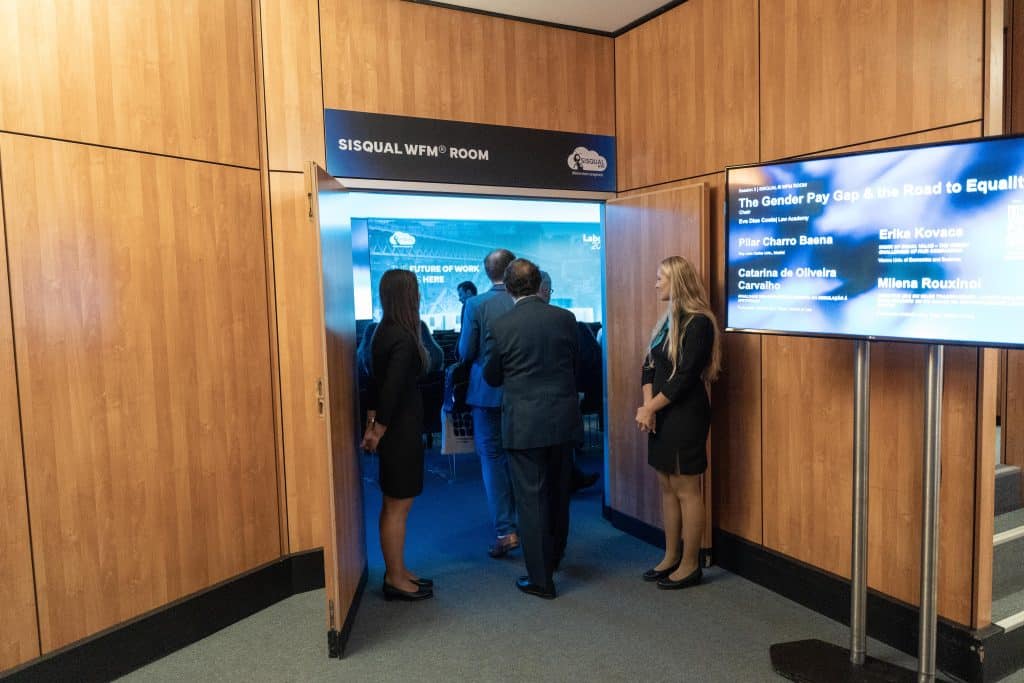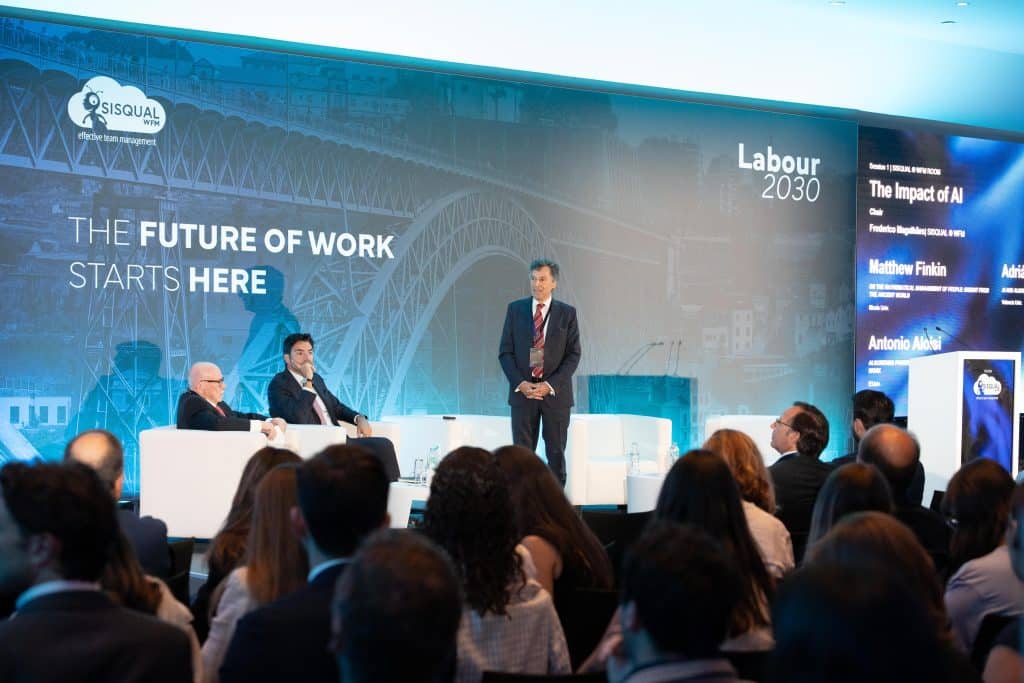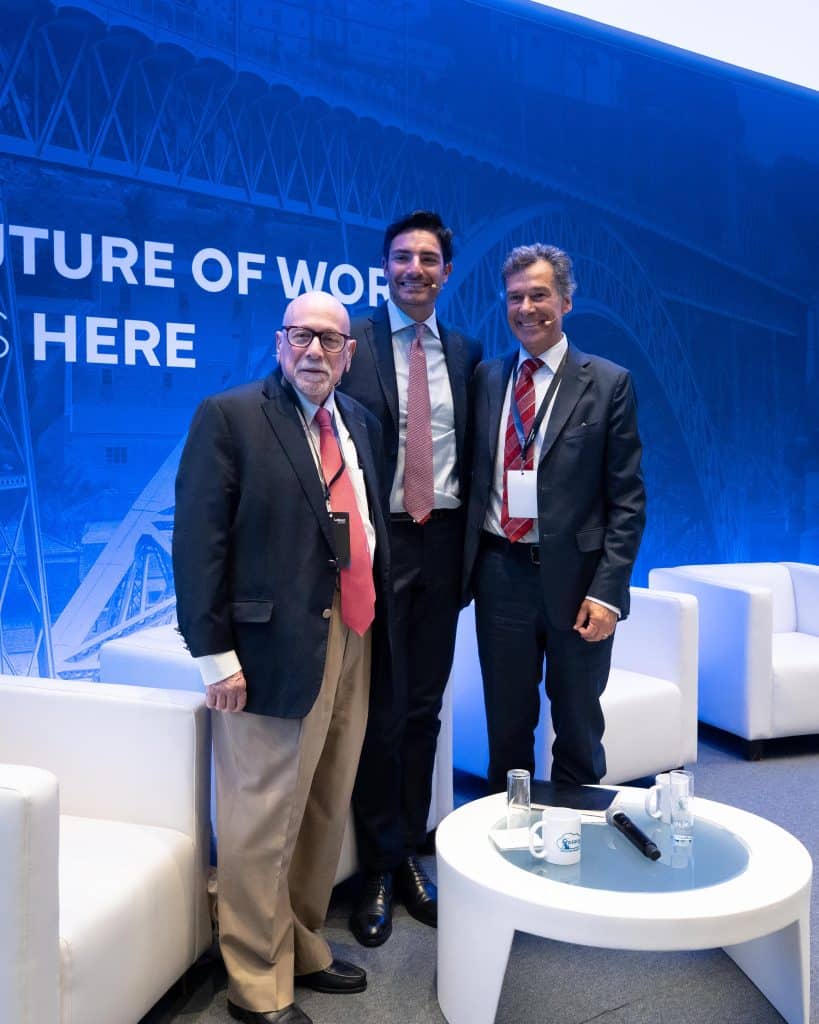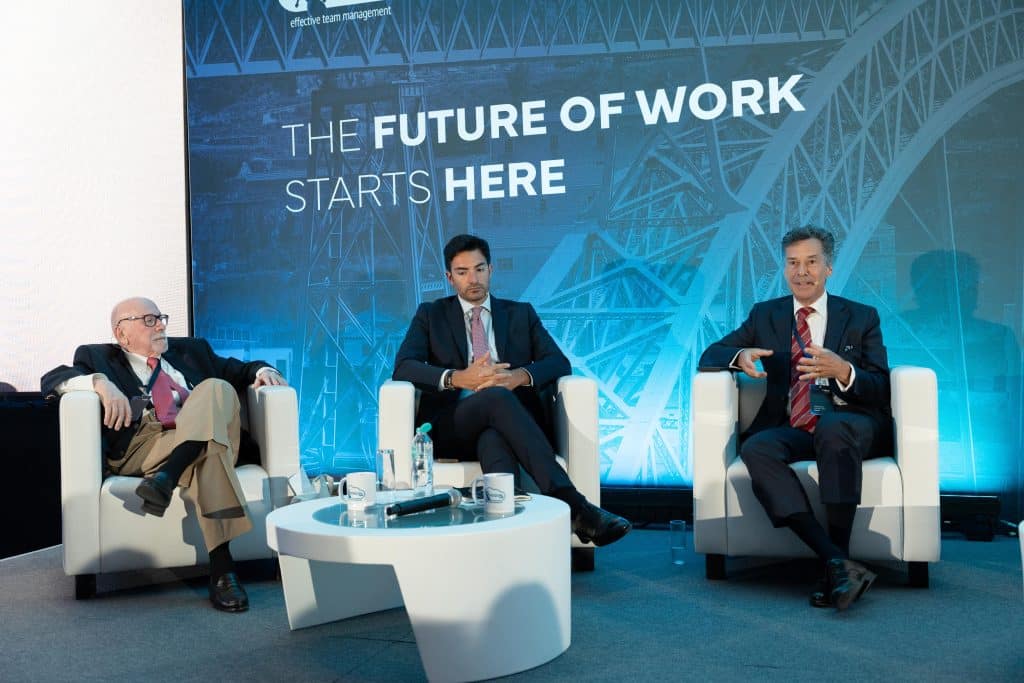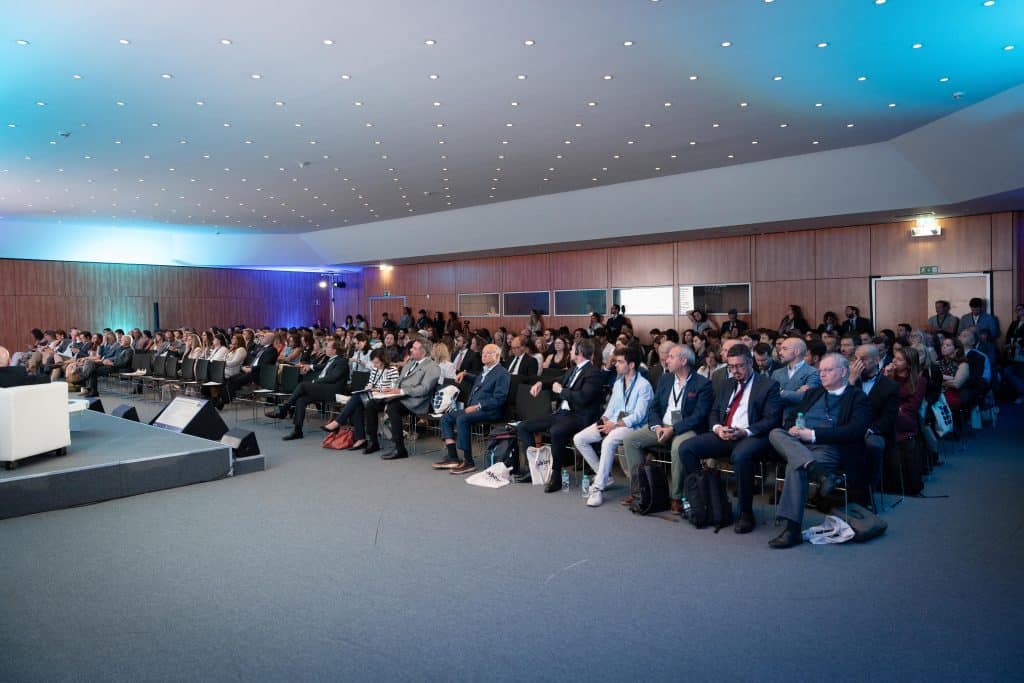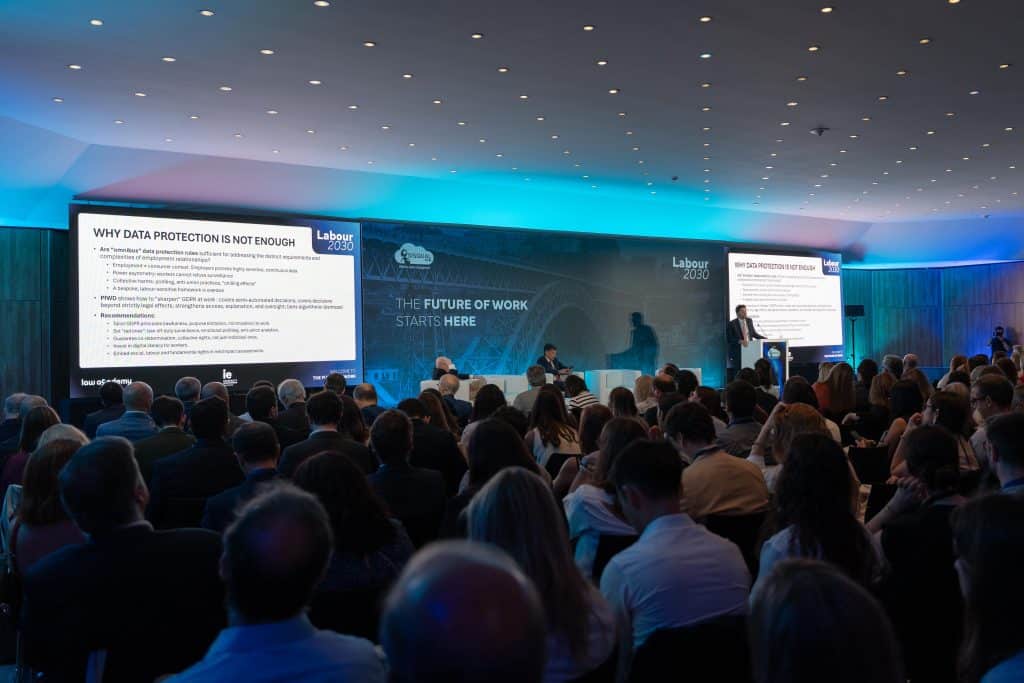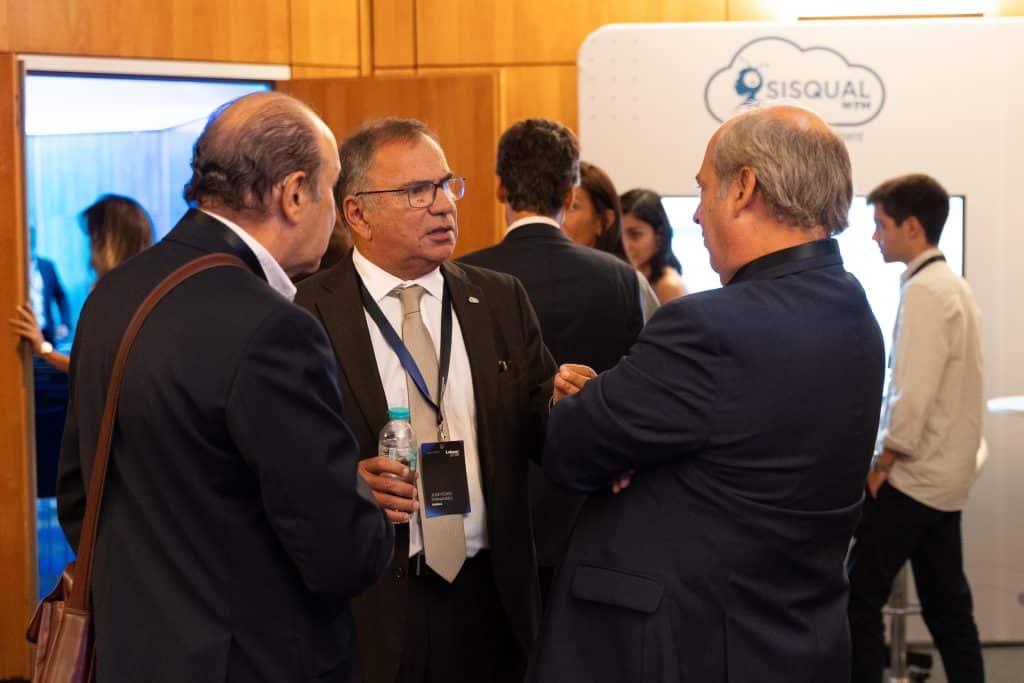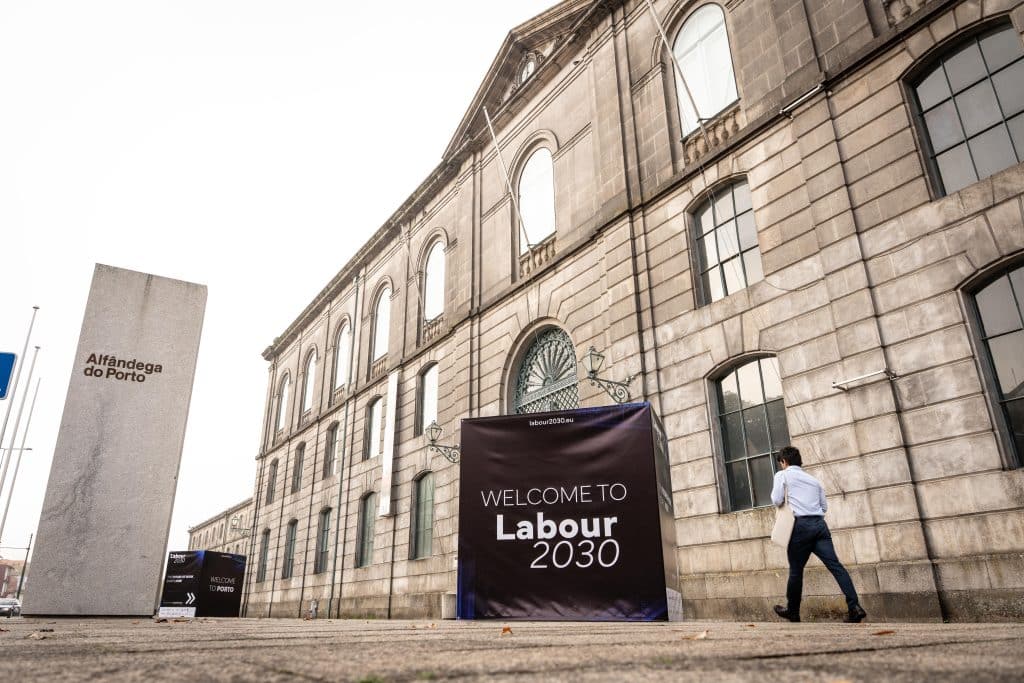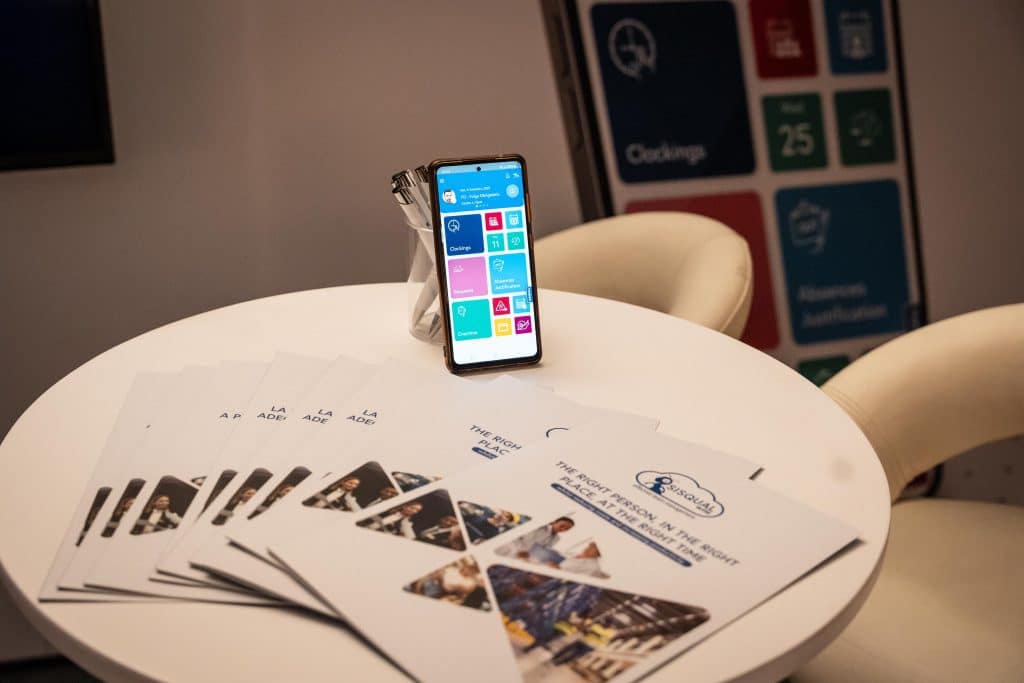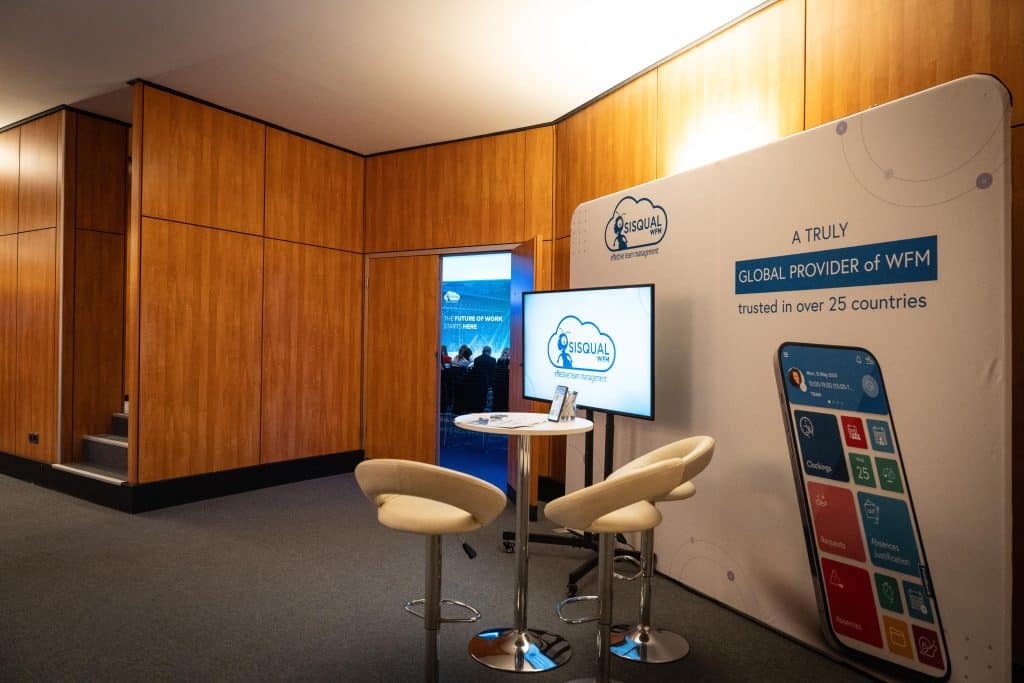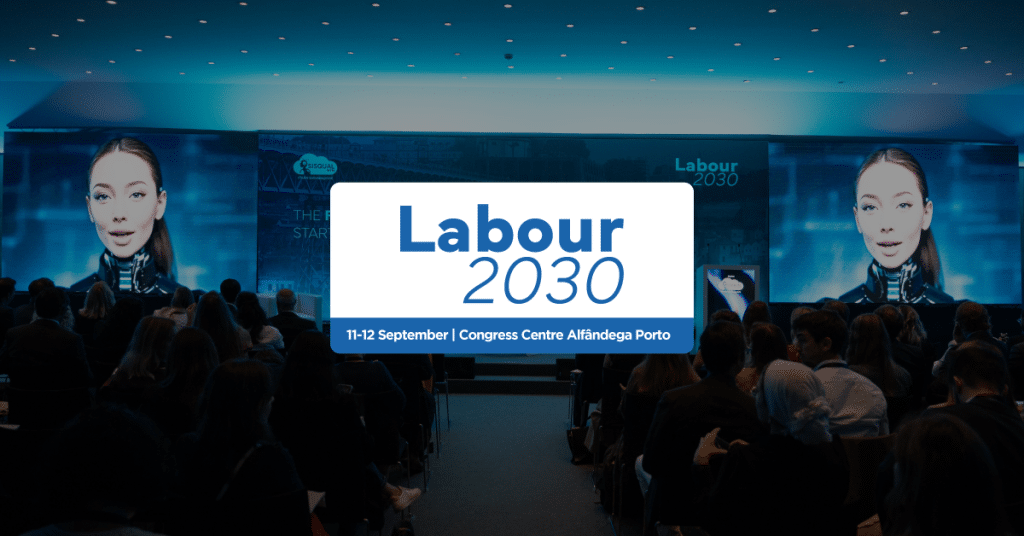
SISQUAL® WFM successfully concluded its participation in Labour 2030, the largest Portuguese event on the future of work, which brought together experts, business leaders, and representatives from various sectors to reflect on the challenges and opportunities of the labour market. Over two days, the debate focused on topics such as Artificial Intelligence (AI), the digital economy and the growing need for flexibility in response to market transformations and new organisational models.
The Role of Technology in Talent Shortage
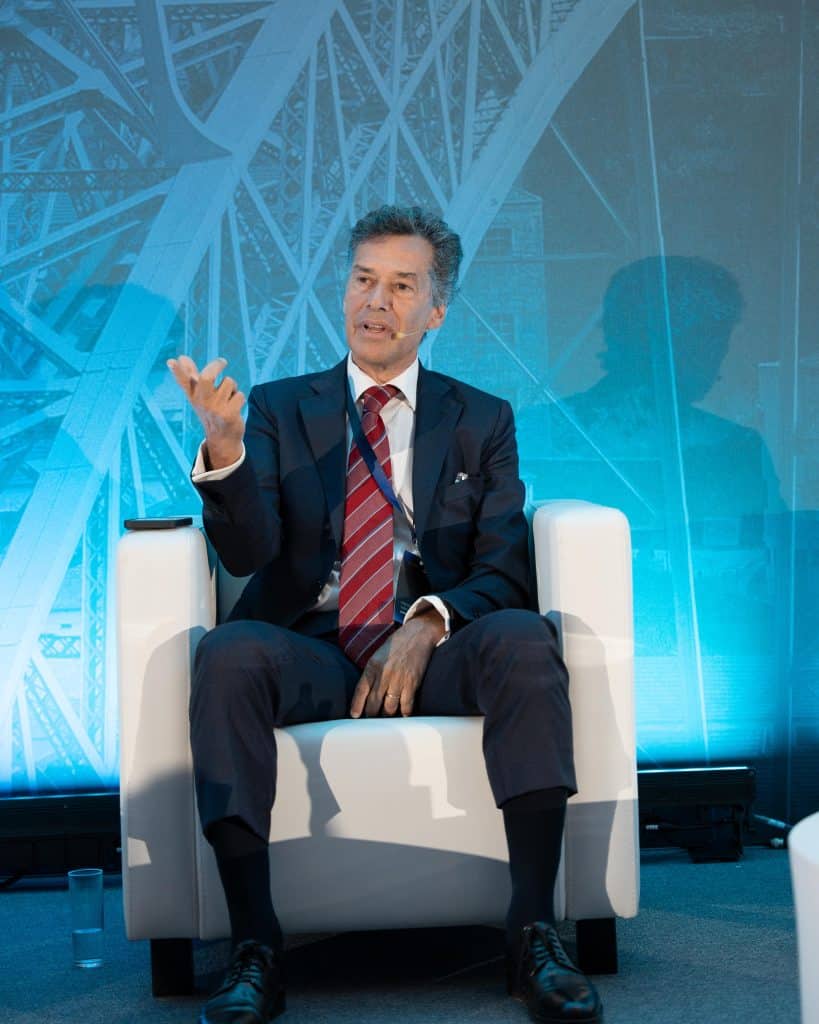
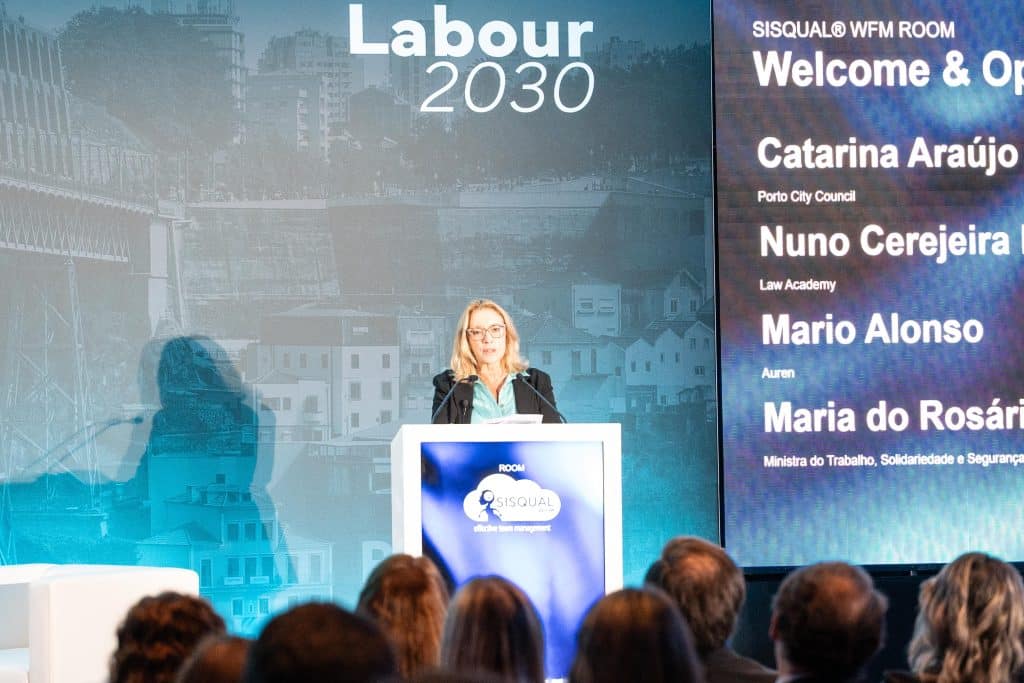
In the opening session, in the SISQUAL® Room, the President of SISQUAL® WFM, Frederico Magalhães, highlighted the main challenges that lie ahead in the coming years: ‘The shortage of labour in sectors that are fundamental to society, such as health, for example, will require a restructuring of the market,’ he points out. Is artificial intelligence (AI) prepared to respond to this and other challenges? Digitalisation plays a crucial role in this context. WFM tools enable the balancing of schedule distribution, team size adjustments according to business needs, and autonomy for workers, all of which are essential factors in addressing talent shortages and meeting new market demands. Another hot topic during the event was the need to adapt the market to the realities of those who sustain the workforce. In the healthcare sector, for example, 70% of professionals are women with children, which requires flexible solutions adapted to the real market. Thus, features such as “Open Shifts” emerge as an immediate response, allowing employees to choose shifts according to their availability, in an approach that combines flexibility with productivity.
New Work Formats Must Be Collaborative
Also at the SISQUAL Room, Denis Pennel, former executive director of the World Employment Confederation, reinforced the importance of creating a collective mindset for the future of work: ‘The challenge is to make returning to the office as appealing as working from home, promoting social dialogue and ensuring that employees feel heard and represented.’ On the first day of the event, there were also debates on the impact of the gig economy, digitalisation and online consumption, the limits of artificial intelligence in human work, and the need for regulation to balance technology and humanisation.
Self-Service Schedules: From Utopia to Reality
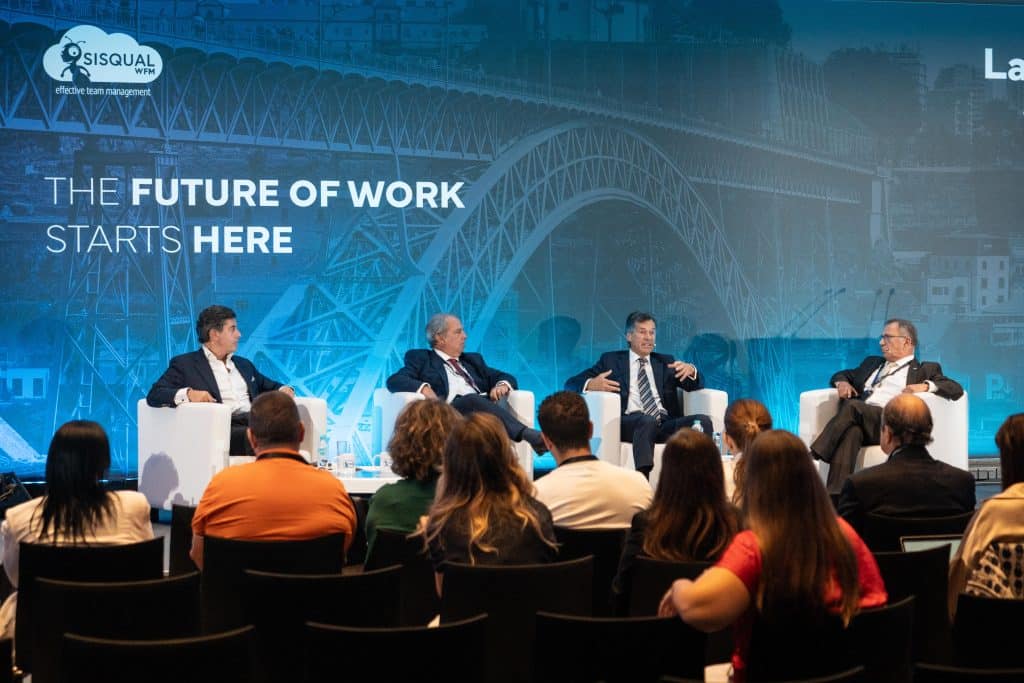
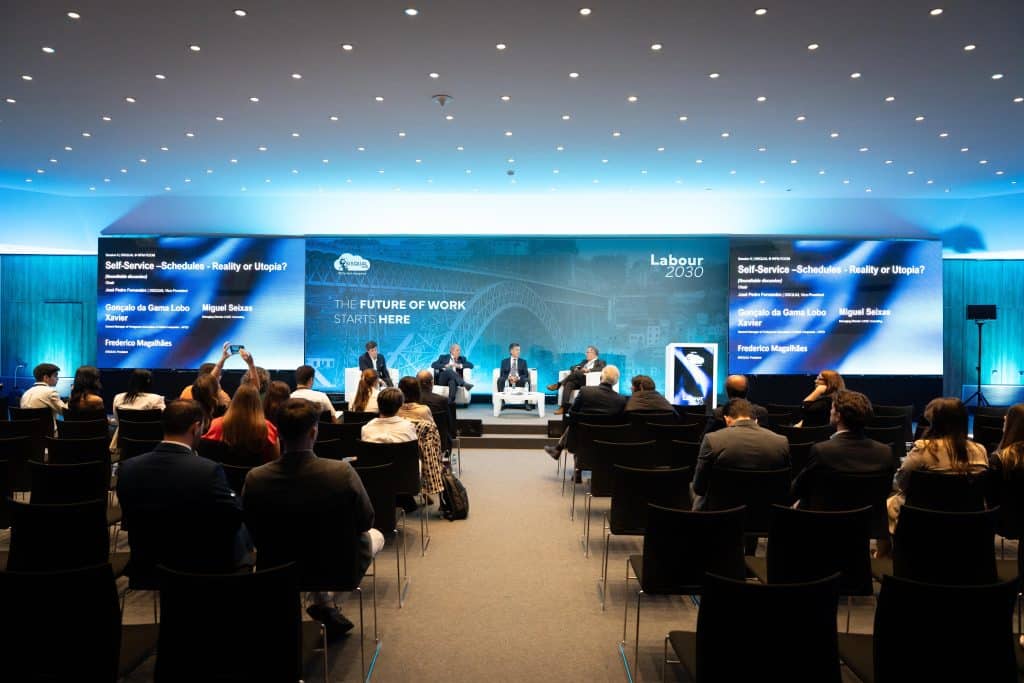
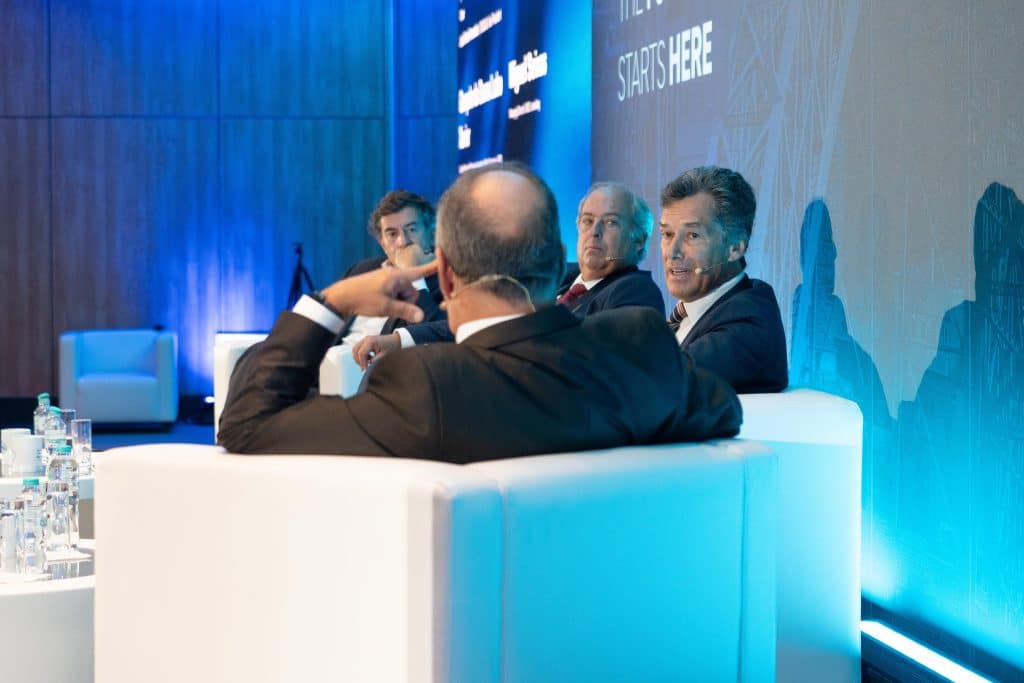
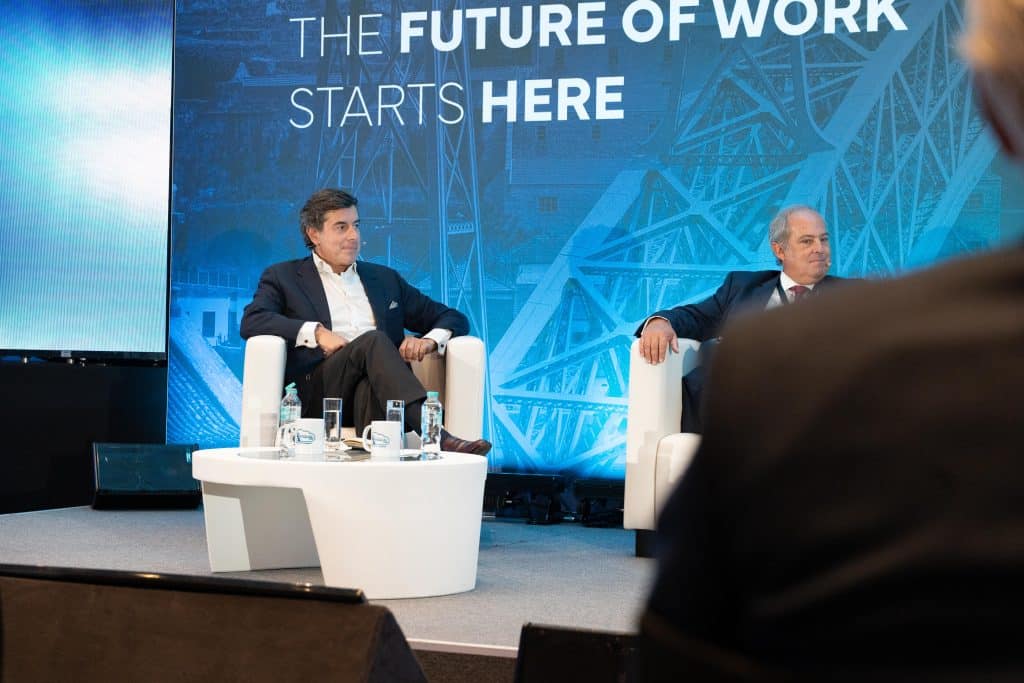
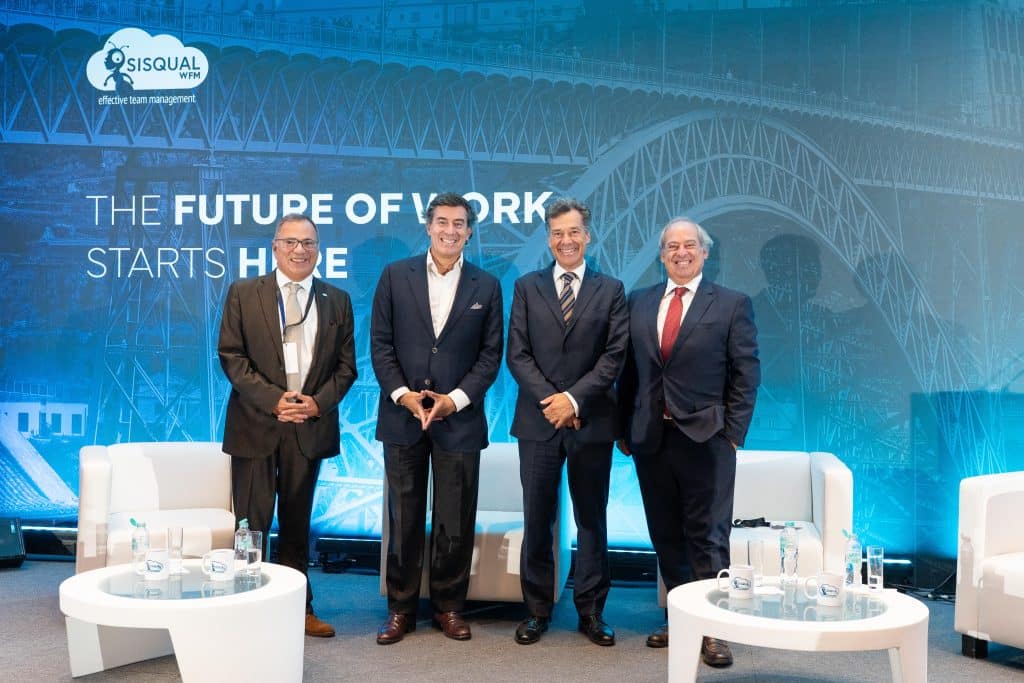
The second day brought one of the most eagerly awaited moments: the debate on “Self-Service Schedules: Reality or Utopia?”, which featured José Pedro Sousa Fernandes (Vice-President of SISQUAL® WFM), Frederico Magalhães (President of SISQUAL® WFM), Gonçalo da Gama Lobo Xavier (President of the Association of Portuguese Distribution Companies – APED) and Miguel Seixas (Managing Director of Case Consulting). The consensus was clear: flexibility in schedule management is no longer a utopia, but an inevitability. For Miguel Seixas, ‘if companies do not adopt these solutions, they will not be able to retain employees.’
Gonçalo Lobo Xavier highlighted the complexity of the issue, particularly in the service sector. At the same time, Frederico Magalhães reinforced the urgency of change, noting that in a scenario of full employment, only flexibility will allow companies to attract and retain talent.
The 3rd edition of “Labour 2030” proved that issues such as talent shortages, digitalisation and employee autonomy are already part of today’s reality and require concrete solutions. Thus, the future of work involves humanisation and flexibility supported by tools that help companies prepare for the future, placing people at the centre of this transformation.
Want to learn more about the benefits of SISQUAL® WFM for your business?
Schedule a demo now!